What Is Paid Social Media & How Does It Accelerate Brands?
Social media plays a role at every stage of how people discover and assess brands. For businesses, the challenge is reaching the right audiences consistently, without relying on organic reach that can fluctuate without warning.
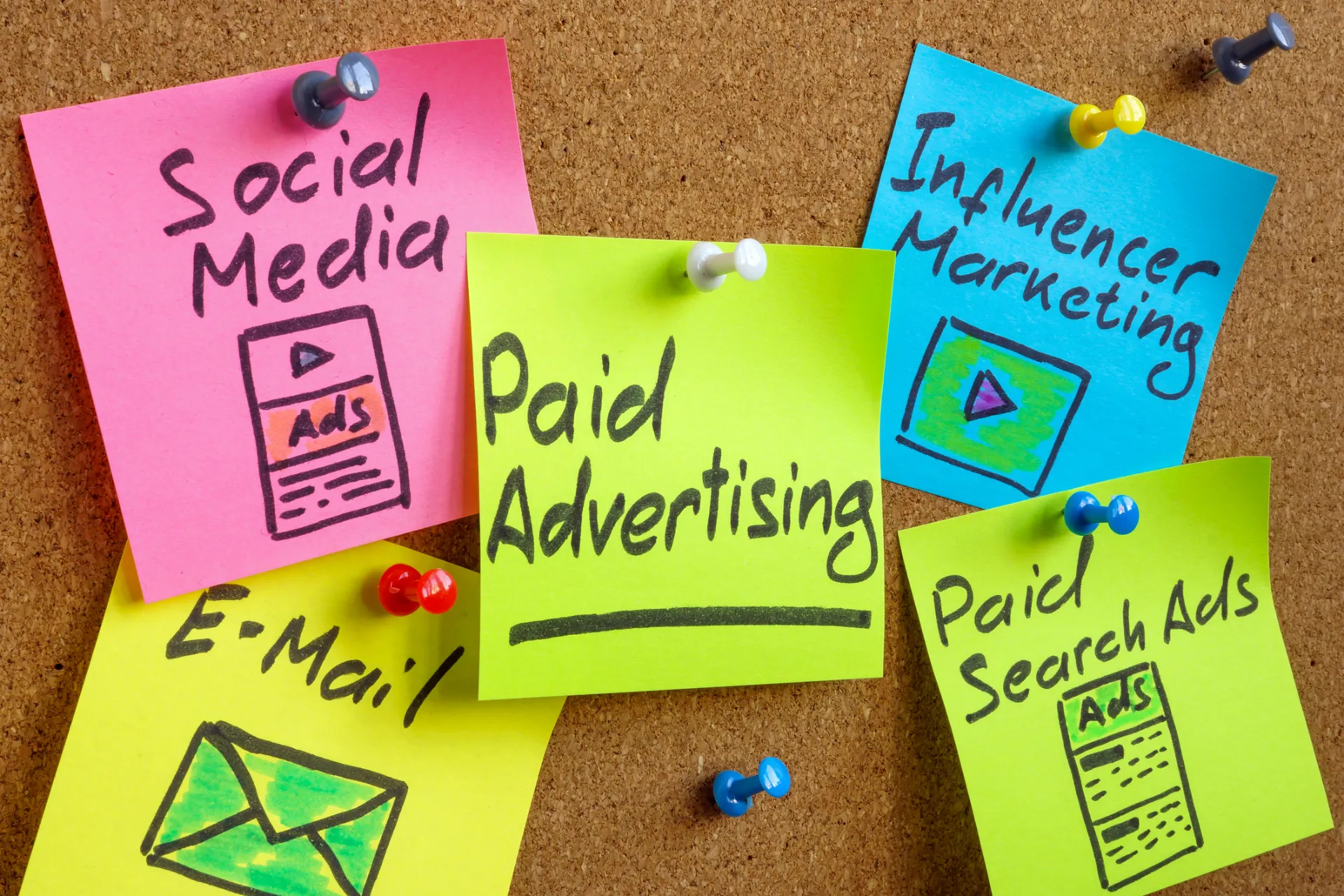
Paid social media is paid advertising on social platforms that allows brands to promote content to defined audiences beyond their existing followers.
When organic performance begins to level off, it gives businesses clearer control over:
- Who sees their message
- How campaigns are delivered
- How success is measured
This guide explains what paid social media is, how it works in practice, and how it supports brand growth when used as part of a wider digital marketing strategy.
What Paid Social Media Really Is
Paid social media is the use of auction-based advertising systems on social platforms to deliver ads to specific audiences at the moment an ad opportunity becomes available. Each time a user opens a feed, an automated auction determines which advert is shown, based on relevance and value rather than follower relationships.
Advertisers enter these auctions by defining who they want to reach, using criteria such as location, interests, behaviours, or professional attributes. When a user matches multiple advertiser audiences, the platform evaluates competing ads in real time. According to Meta, billions of these ad auctions take place every day across Facebook, Instagram, and other Meta technologies [1].
The ad shown is not simply the one with the highest budget. Platforms assess a combination of bid amount, predicted engagement or conversion, and ad quality. This means paid social performance depends on relevance and creative quality as much as spend, making it a targeted distribution system rather than a pay-to-win model.
How Paid Social Uses Data & Automation to Deliver Results
Paid social allows advertisers to define intent while platforms handle delivery. When campaigns are set up, objectives, audiences, and budgets signal whether the focus is on awareness, engagement, or enquiries, without having to manage individual placements.
Delivery is then automated based on relevance and predicted behaviour, allowing platforms to continuously optimise performance.
Key factors that shape paid social performance include:
- Clearly defined campaign objectives.
- Audience targeting based on data signals.
- Automated delivery prioritising relevance.
- Ongoing optimisation from performance data.
- Creative aligned with audience intent.
This shifts the advertiser’s role from placement control to decision clarity. When planned alongside other paid channels, paid social can better support different stages of the customer journey.
Paid Social & Organic Social Serve Different Jobs
Organic social is the content you publish on your own channels. It supports recognition, tone of voice, and ongoing engagement with people who already know your brand.
Paid social is paid-for advertising. It allows brands to distribute messages beyond existing followers, using targeting and placement controls to reach defined audiences. UK Government zero in on online advertising focuses on paid-for activity because it involves greater responsibility around transparency, consumer protection, and accountability [2].
In practice, brands use both to serve different needs:
- Organic social to maintain presence and build familiarity.
- Paid social to extend reach, support campaigns, and measure impact.
Yet, when you combine them, your awareness, consideration, and conversion activity doesn’t rely on a single approach.
Why Paid Social Media Accelerates Learning & Growth
Paid social media accelerates brand growth by shortening feedback cycles. Instead of waiting weeks or months for organic signals, brands can test messaging, creative, and audience assumptions within controlled environments and learn quickly from performance data.
This faster feedback improves confidence in decision-making. Campaign results show which messages resonate, which audiences respond to, and which platforms warrant further investment. Over time, this insight supports more effective allocation of budget across channels.
When used alongside wider marketing activity, paid social helps brands maintain visibility while refining strategy based on evidence. It supports consistent progress without relying on instinct or delayed results. Our integrated approach to digital marketing reflects this joined-up planning.
How Brands Plan & Use Paid Social in Practice
Paid social is used across sectors with different objectives, but effective campaigns follow the same principle. Success depends less on platform choice and more on:
- Clear intent
- Audience understanding
- Controlled investment
In practice, paid social is planned around defined goals. Budgets are shaped by demand and targeting precision, then adjusted as performance data emerges. This allows brands to test assumptions, monitor response, and scale activity with confidence, treating spend as a learning tool rather than a fixed cost.
For Collins Nets, our paid social campaign on Meta was built around detailed audience research and retargeting, supporting improved return on ad spend alongside SEO, PPC, and email activity.
For Lester Brunt, paid social supports their long-term growth. Campaigns on LinkedIn and Meta are planned alongside SEO and PPC, with performance monitored through regular reporting to keep spend controlled and outcomes clear.
The examples taken from our Projects page show how paid social supports different goals through planning, measured delivery, and controlled investment.
When Paid Social Becomes the Right Next Step
Paid social becomes the right next step when there is a clear reason to use it. That reason is often linked to growth priorities, campaign timing, or the need for more reliable insight than organic activity alone can provide.
Paid social is particularly effective when:
- Organic reach is no longer delivering consistent visibility.
- Specific audiences need to be reached within a defined timeframe.
- Campaign performance needs to be tracked, tested, and refined.
When planned with purpose and supported by strong creative, paid social helps brands move forward with clarity, using evidence to guide decisions rather than assumptions.
b4b helps brands plan paid social as part of a joined-up digital strategy, with clear objectives, audience targeting, and reporting that supports long-term performance. This ensures paid social activity contributes meaningfully to wider marketing goals rather than operating in isolation. For practical perspectives on trends, campaign thinking, and how paid social is evolving, explore the latest updates on our News page.
Call 01202 684400 or contact our team, and we’ll help you assess whether paid social is right for your goals and how it fits within your wider marketing strategy.
External Sources
Meta, Meta Business Help Centre, “billions of these ad auctions take place every day”: