Most businesses spend real money getting a customer to buy. The Google Ads, the SEO content, and the website that’s designed to convert. Then the order ships in a plain brown box, and the customer doesn't come back. The gap between a polished digital presence and an undistinguished delivery is one of the most common and costly contradictions in product marketing.
Packaging is the only marketing channel a customer physically holds, and it is where your brand promise either lands or quietly falls apart. For businesses that treat bespoke packaging as a strategic decision rather than a logistics cost, the returns show up in repeat purchases, brand recall, and earned social reach.
The box is part of the pitch, and most businesses underestimate its value.
Why Packaging Is the Moment Your Brand Becomes Real
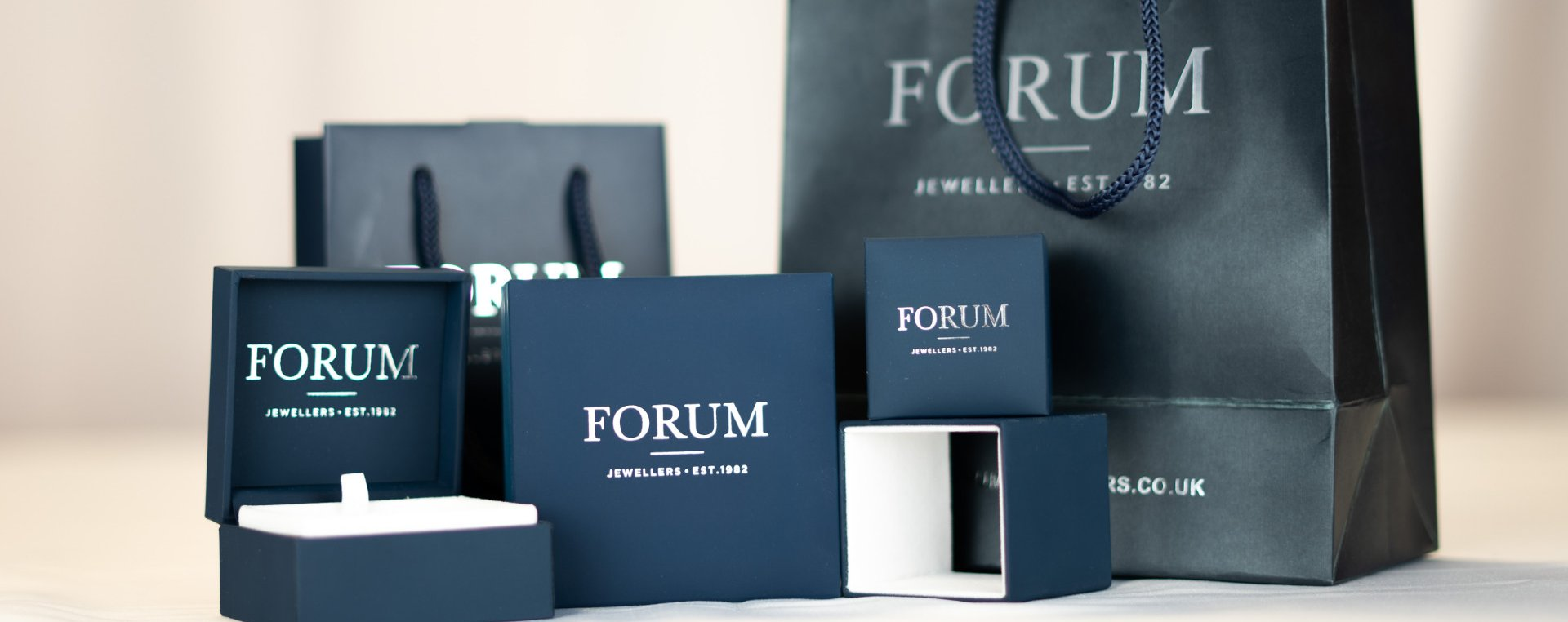
Before a customer uses your product, they have already formed an opinion, and packaging is what shapes it. At the point of delivery or purchase, packaging is where visual identity, perceived quality, and brand promise come together in something the customer can hold. It is the first physical experience they have with the brand behind the product.
A 2018 Ipsos survey found that 72% of consumers say packaging design influences their decision to buy a product. That figure comes from a US poll, but a systematic review published in Humanities and Social Sciences Communications in 2025 confirms the link between packaging and buying decisions across a broad body of academic research [1].
The mechanism at work is the halo effect. A premium box signals a premium product before the product itself is experienced, and a flimsy or generic one does the opposite, eroding the brand equity built by every prior marketing touchpoint. Packaging design communicates quality, care, and brand values at the highest-attention moment in the purchase cycle and is a direct expression of brand perception.
The Loyalty Loop Custom Packaging Actually Creates
The real commercial case for custom packaging is built on what happens after the box is opened.
Dotcom Distribution's research found that 52% of online shoppers say premium packaging makes them more likely to buy from the same retailer again, a figure that has held across several years of their annual ecommerce packaging surveys. That stat is from a 2013 US sample, but more recent Dotcom Distribution data reinforces the principle that a considered, branded unboxing experience converts a delivery into a brand moment that stays with the customer [2].
The loyalty loop compounds through social sharing. Packaging Technology Today’s 2025 annual study found that 42% of consumers said visually appealing packaging was the top reason they would post a product image online [3]. Packaging that gets photographed and shared reaches new customers without additional spend, and a second delivery reactivates the association. Competitors in the custom packaging space tend to cover unboxing as a standalone benefit; the compounding effect of earned social reach feeding into improved retention is the angle they consistently miss. An ecommerce website built to convert is only half of the brand experience the customer receives. Packaging closes it.
What Sustainable Packaging Says About Your Brand
Recyclable and biodegradable packaging has moved beyond a nice-to-have, and recent UK consumer data shows how far the shift has gone. YouGov's October 2025 study, which is nationally representative of 2,118 British adults, found that 34% say recyclable or biodegradable packaging most influences their purchase decisions. That placed it ahead of eye-catching or attractive packaging, cited by 19%. Among 18 to 24-year-olds, 28% cite packaging design as a leading purchase factor, roughly double the rate seen in older age groups [4].
Sustainable packaging operates through a different psychological mechanism than premium design. Where premium packaging signals quality, sustainable packaging signals that the brand shares what customers care about. Both build loyalty through distinct routes, and for product brands targeting younger British consumers, the sustainability signal in packaging has become a commercial lever.
Making the Investment Case for Bespoke Packaging
Packaging reaches 100% of buyers at the highest-attention moment of the purchase cycle. On a cost-per-impression basis, the investment in bespoke packaging compares favourably with most digital advertising channels. Unlike a paid ad, a well-designed box continues to represent the brand every time it is handled, stored, or photographed. The cost of poor packaging is also undervalued. A weak unboxing experience undermines the brand equity built by the SEO content, product photography, website, and the ad that drove the click.
Well-executed packaging requires brand identity, design, materials, and print to align with the same brief. Fragmented across suppliers, the brief gets lost in translation. When a single team owns branding, graphic design, and print execution, the output reflects a coherent brand rather than a collection of separately approved decisions.
Stop Treating Packaging as an Afterthought
Businesses that treat packaging as a cost item are making a brand decision with every order, rarely the one they intend to make. Before packaging is treated as logistics, it is signed off on the price per unit and shipped without a coherent brief.
After packaging becomes a measurable loyalty driver, designed from the brand up, returning on its investment through:
- Repeat purchases.
- Social sharing.
- Promised experiences.
b4b's Promotions team works with businesses across retail, food and beverage, fashion, and consumer goods to produce bespoke packaging that reflects the brand. Boxes, bags, postage packaging, and containers are all available, turned around quickly and built to spec.
If you are ready to treat packaging as the brand investment it is, speak to the b4b Promotions team on 01202 684400 or via our contact page.
External Sources
[1] Ipsos, Packaging Design and Consumer Purchase Decisions (2018):