Generative AI makes content creation fast and cheap. With the right prompts, a single marketer can output thousands of words in minutes. It’s no wonder so many businesses are scaling SEO with AI.
The idea is tempting: publish hundreds (or thousands) of AI-written pages, flood Google with keyword-rich content and capture traffic without hiring experienced copywriters.
It’s called programmatic SEO and it’s a growing trend. But just because you can generate mass content quickly doesn’t mean you should.
Google has made it crystal clear: low-value, irrelevant, or “thin” content violates its Search Essentials. Sites chasing fast growth with mass AI content risk serious algorithmic consequences including ranking drops, deindexation, and domain-wide penalties.
GetInvoice’s Mistake: 22,000 Pages and Zero Oversight
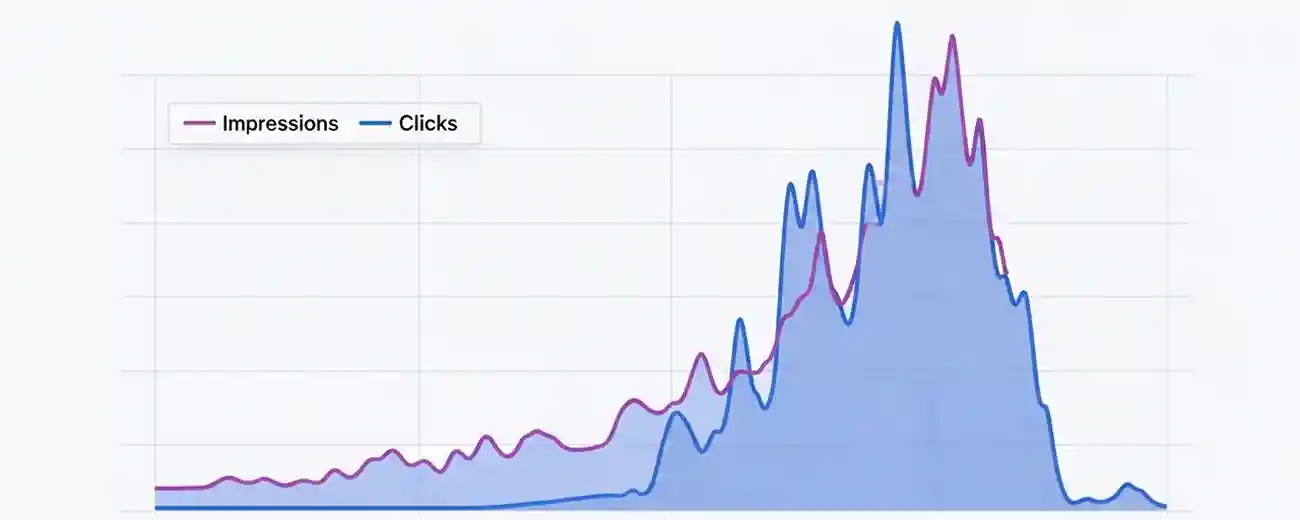
GetInvoice (now known as Tailride), a startup that tried to growth hack its way into SEO domination learnt the hard way that publishing low quality content that was not relevant to their services will land you a penalty that is very hard to recover from.
They published over 22,000 AI-generated pages all without a content editorial team, link-building strategy, or subject-matter expertise. No understanding of E-E-A-T (Experience, Expertise, Authoritativeness, Trust). Their strategy was to target high volume search terms such as specific retailers' return policies. Yes, there is good search volume for users searching for this but this is not content you would expect to see on a company that offers invoicing software.
For a few weeks, the strategy worked. Their traffic surged. But then Google’s March 2024 Core Update rolled out and everything dropped. They lost 94% of their organic traffic.
Why Google Punished Them
GetInvoice’s ranking crash wasn’t random — it was algorithmic justice.
The March Core Update focused on improving content quality signals, especially for mass produced or templated pages. GetInvoice’s content checked every negative box:
- Zero topical authority: Their domain had no clear niche.
- Duplicate and near-duplicate content: Many pages reused templates and structures.
- No human input: AI wrote everything. No editors, no human review.
- No backlinks or internal relevance: They skipped both on-page and off-page SEO fundamentals.
The result? Deindexation. Traffic collapse. Brand damage.
GetInvoice isn’t alone. Several AI-first domains saw similar crashes. Sites that prioritised content volume over value got swept up in the update.
Common Mistakes with AI-Generated SEO Content
Mass AI content can work but only when used in conjunction with a human subject matter expert that can fact check the content and add insight. Here’s what often goes wrong:
1. No Audience Targeting or User Intent
AI can write fluent sentences but it doesn’t understand your users. Without clear intent targeting, AI-written articles often answer nothing, serve no one, and bounce traffic quickly.
2. Scaling Too Fast on a New Domain
Google trusts history, authority, and relevance. Publishing 10,000 pages on a brand-new domain with zero links? That’s a red flag and often results in algorithmic throttling or sandboxing.
3. Ignoring Internal Linking and Topic Clusters
Without thoughtful topic clusters and internal linking, AI content floats in a vacuum. Google can’t determine what your site is about, which pages are important, or how they’re related.
4. Publishing SEO Content with No Real Value
If you’re writing for search engines only, you’re already losing. Content that doesn’t genuinely help users gets filtered as thin content — especially post core updates. Read our blog on Is AI Copywriting Good for SEO or Does It Harm Rankings for more insight.
Smart SEO with AI: Combining Tech with Human Expertise
AI is powerful. But it’s not a strategy - it’s a tool. To use it safely, you need human oversight. During a recent webinar, I watched the speaker make the statement, “AI is your company’s intern, not its CEO,” and this is true. AI doesn’t have the expertise and experience of your company's employees to create genuine content, in a similar way to how an intern needs guidance and mentoring.
- Use AI for ideation, outlines, and drafts - not full automation.
- Run every piece through editorial, fact-checking, and relevance review.
- Involve subject-matter experts where credibility matters - especially in YMYL (Your Money, Your Life) niches.
- Develop content briefs that clearly define search intent, structure, and internal linking.
- Track performance and adapt - don’t blindly publish and hope for rankings.
AI works best when it amplifies human expertise - not replaces it.
Partnering With a Digital Marketing Agency
Mass publishing is tempting but if you get it wrong, the cost is real. That’s where a strategic content partner comes in.
A good agency offers:
- Editorial quality control to ensure content meets E-E-A-T standards and aligns with your brand voice
- Technical SEO audits to avoid crawl and indexation issues
- Keyword strategy that balances opportunity with topical authority
- Performance tracking and adaptability as Google evolves
In other words: we help you scale smart - not fast.
Avoid being the next GetInvoice. Don’t chase growth at the expense of sustainability. Work with specialists who understand the risks and know how to win safely.
Free Strategy Audit: Scale Smart with AI, Not Fast
Ready to scale your content - but safely? Book a free SEO strategy audit with our team.
We’ll review your current content practices, spot potential risks, and recommend a safer, smarter approach to growth.
AI can be your ally - if you use it right.
Call 01202 684400 or get in touch to discuss how to scale website content correctly.